
As an experienced breeder with a passion for nurturing the gentle and joyful spirits of our
beloved Shih Tzu puppies, it’s crucial to address a common concern many new pet parents face:
teaching their puppies not to bite people or other puppies. Biting is a natural behavior for
puppies, often used as a means to explore their environment or communicate. However, with
patience, consistency, and the right techniques, you can guide your Shih Tzu puppy towards
more gentle interactions.
Understanding the Behavior
First, it’s important to understand why your Shih Tzu puppy might be biting. Puppies go throug
a teething phase, where biting helps relieve discomfort. They also use their mouths to interact
with the world around them. It’s a way for them to learn about their environment and play.
However, it’s crucial to teach them the boundaries of acceptable behavior, especially when it
comes to interacting with humans and other animals.
Early Socialization
Socialization is key in the early stages of your puppy’s life. Expose them to a variety of people,
pets, and situations to help them become well-adjusted adults. Positive interactions with others
will teach them how to play gently and understand the limits of their behavior. Remember,
socialization should always be controlled and positive, ensuring your puppy feels safe and secure
throughout the process.
Bite Inhibition
Teaching bite inhibition is essential. This involves encouraging your puppy to use their mouth
gently. When playing, if your puppy bites too hard, immediately stop the play and say a firm
“No” or “Ouch” in a clear, but not overly aggressive tone. This mimics the feedback they would
receive from their littermates or mother, teaching them that gentle play is good, but painful bites
lead to the end of fun activities.
Redirecting the Behavior
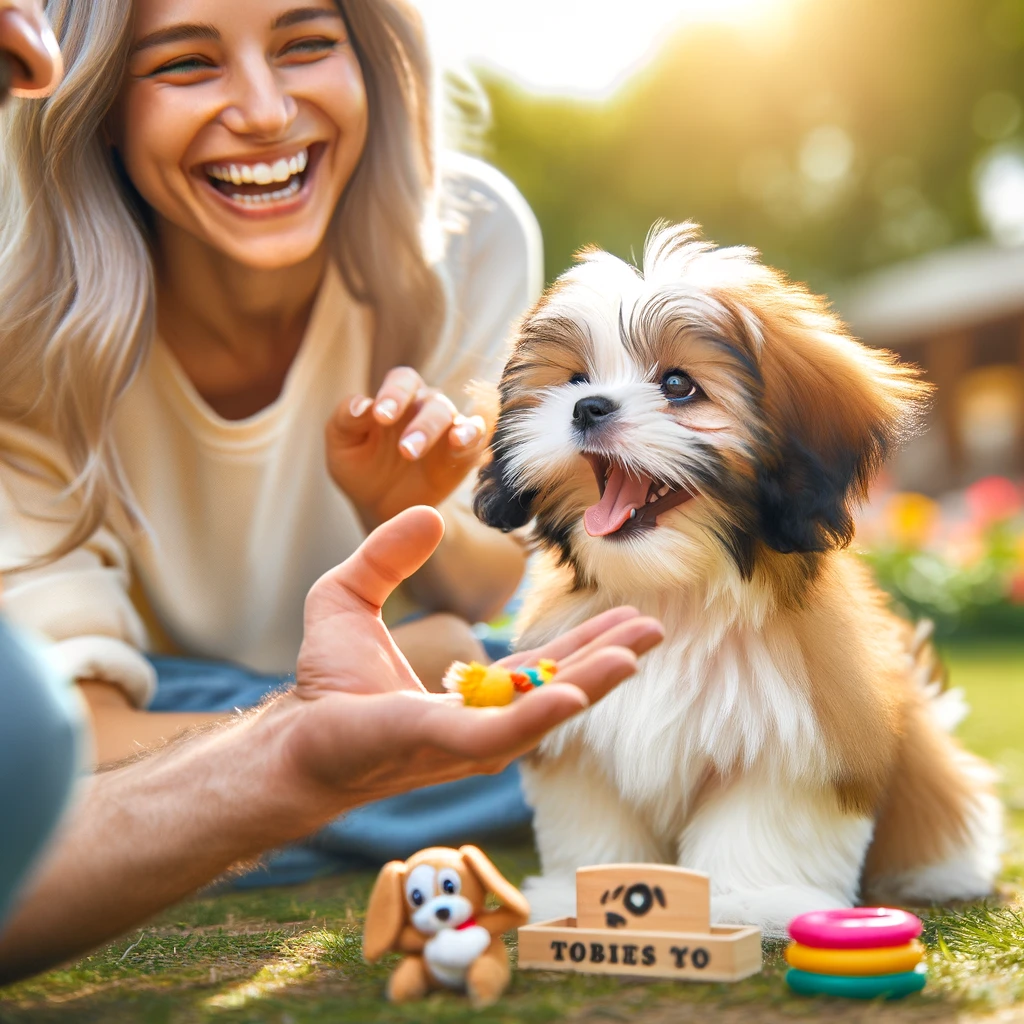
Whenever your puppy starts to bite, redirect their attention to a toy or chew item. This teaches
them what is appropriate to bite. Always have a variety of chew toys available to satisfy their
need to gnaw, especially during teething.
Consistency is Key
Consistency in your reactions to biting is crucial. Everyone in the household should respond the
same way to unwanted biting to avoid confusing your puppy. This uniform approach reinforces
the message that biting is not acceptable.
Positive Reinforcement
Focus on rewarding good behavior rather than punishing the bad. When your puppy plays gently
or chews on toys instead of hands or clothes, offer praise, pets, or treats. This positive
reinforcement helps your puppy understand the behaviors that please you.
Patience and Training
Training sessions are an excellent opportunity to reinforce these lessons. Use these times not
only to teach basic commands but also to reinforce gentle mouth habits. Patience and gentle,
consistent guidance are your best tools.
Professional Help
If your puppy continues to struggle with biting despite your best efforts, consider seeking h
from a professional dog trainer or behaviorist. Sometimes, an expert perspective can offer new
strategies and insights to curb unwanted biting.
Conclusion
Remember, teaching your Shih Tzu puppy not to bite is a process that requires time, patience,
and consistency. Through understanding, early socialization, teaching bite inhibition, redirecting
their behavior, and using positive reinforcement, you’re not just curbing a natural puppy behavior
but also nurturing a lifelong bond based on mutual respect and understanding. As a breeder
devoted to unleashing love and joy, it’s our joy to see each puppy grow into a well-mannered,
loving companion that enriches the lives of their human families.