
Introduction:
Bringing a new puppy into your home is an exciting and rewarding experience, but it also comes with its fair share of challenges. One common concern for pet owners is how to train their furry companions to stay home alone without causing a ruckus. In this article, we will provide you with a comprehensive guide on how to teach your puppy to be comfortable and well-behaved when left alone at home.
Start Slowly:
The key to successfully training your puppy to stay home alone lies in gradual acclimation. Begin by leaving your puppy alone for short periods and gradually increasing the duration as they become more comfortable. This helps prevent separation anxiety and ensures that your puppy feels secure in your absence
Create a Safe and Comfortable Space:
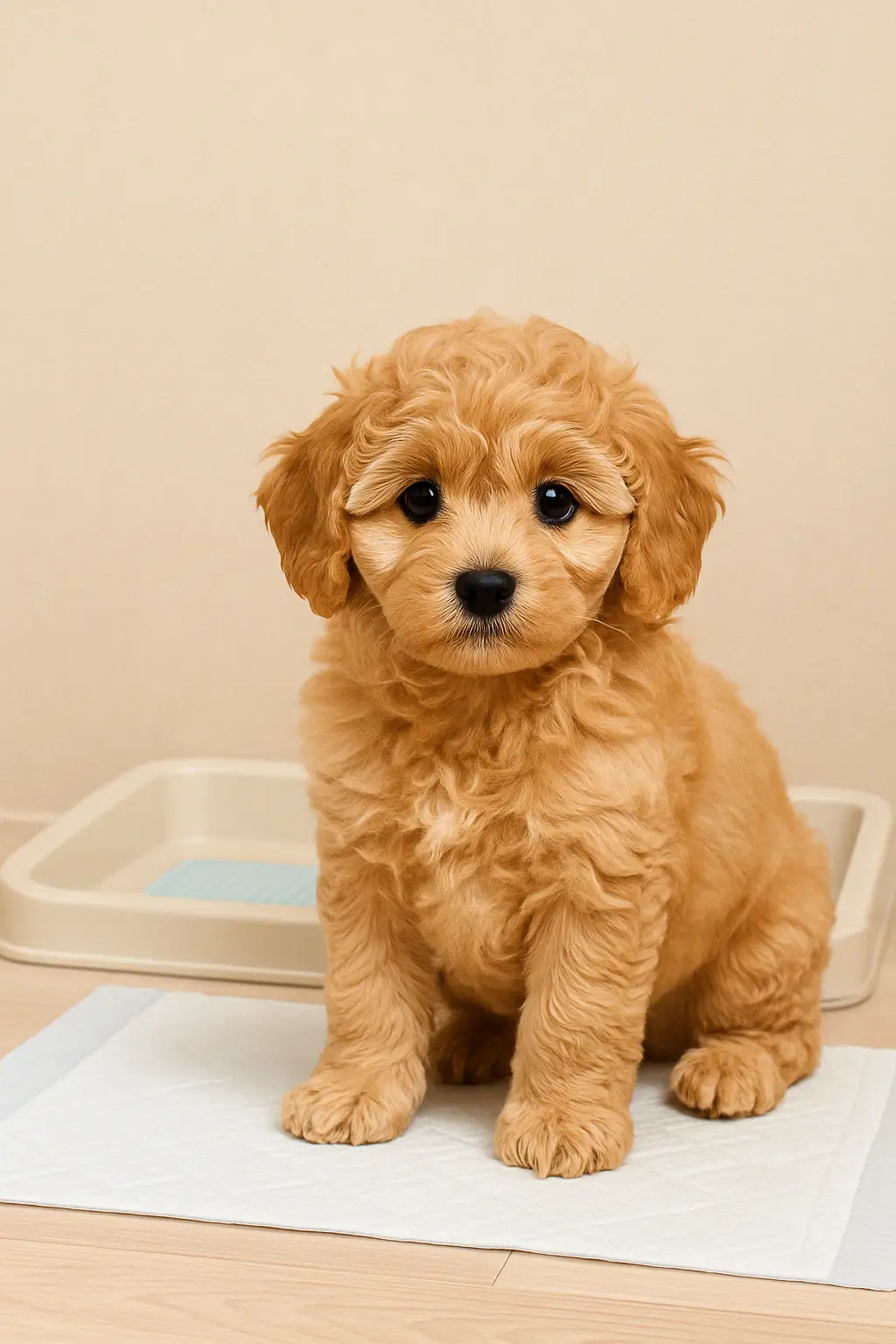
Designate a specific area in your home for your puppy to stay while you’re away. This area should be comfortable, secure, and free from potential hazards. You can use a crate or a playpen to confine your puppy safely. Make sure to include their bed, toys, and some water in their space
Positive Association:
Associate your departure with positive experiences. Before leaving, give your puppy a treat or a favorite toy. This creates a positive association with your departure, making your puppy less anxious about your absence.
Establish a Routine:
Dogs thrive on routine. Try to leave and return home at the same times each day. This consistency helps your puppy understand when to expect your absence and return, reducing anxiety
Gradual Alone Time:
Start with short periods of alone time and gradually increase them. Begin with just a few minutes and then work your way up to longer durations. Praise and reward your puppy when they remain calm during these practice sessions.
Ignore Attention-Seeking Behavior:
Puppies often try to get your attention by whining, scratching, or barking when you’re about to leave or return home. It’s crucial not to reward this behavior with attention. Wait for your puppy to calm down before acknowledging them
Chew Toys and Entertainment:
Provide your puppy with plenty of appropriate chew toys and interactive puzzles to keep them engaged while you’re away. This will prevent boredom and destructive behavior. Rotate toys regularly to keep them interesting.
Exercise Before Leaving:
Before leaving your puppy alone, ensure they’ve had enough exercise and mental stimulation. A tired puppy is more likely to relax and sleep while you’re gone
Consider a Pet Sitter or Doggy Daycare:
If you’re concerned about your puppy being alone for extended periods, consider hiring a pet sitter or enrolling them in a reputable doggy daycare. This can provide socialization and companionship while you’re away.
Seek Professional Help:
If your puppy continues to display severe anxiety or destructive behavior when left alone, it’s essential to consult a professional dog trainer or a veterinarian behaviorist. They can help address any underlying issues and provide specialized training.
Conclusion:
Training your puppy to stay home alone without anxiety or destructive behavior requires patience, consistency, and positive reinforcement. By following these tips and gradually acclimating your puppy to alone time, you can ensure that they grow into a well-adjusted and well-behaved adult dog. Remember that every puppy is unique, so be prepared to adapt your training methods to suit their individual needs. With time and effort, your puppy will become a confident and contented companion when left alone at home.